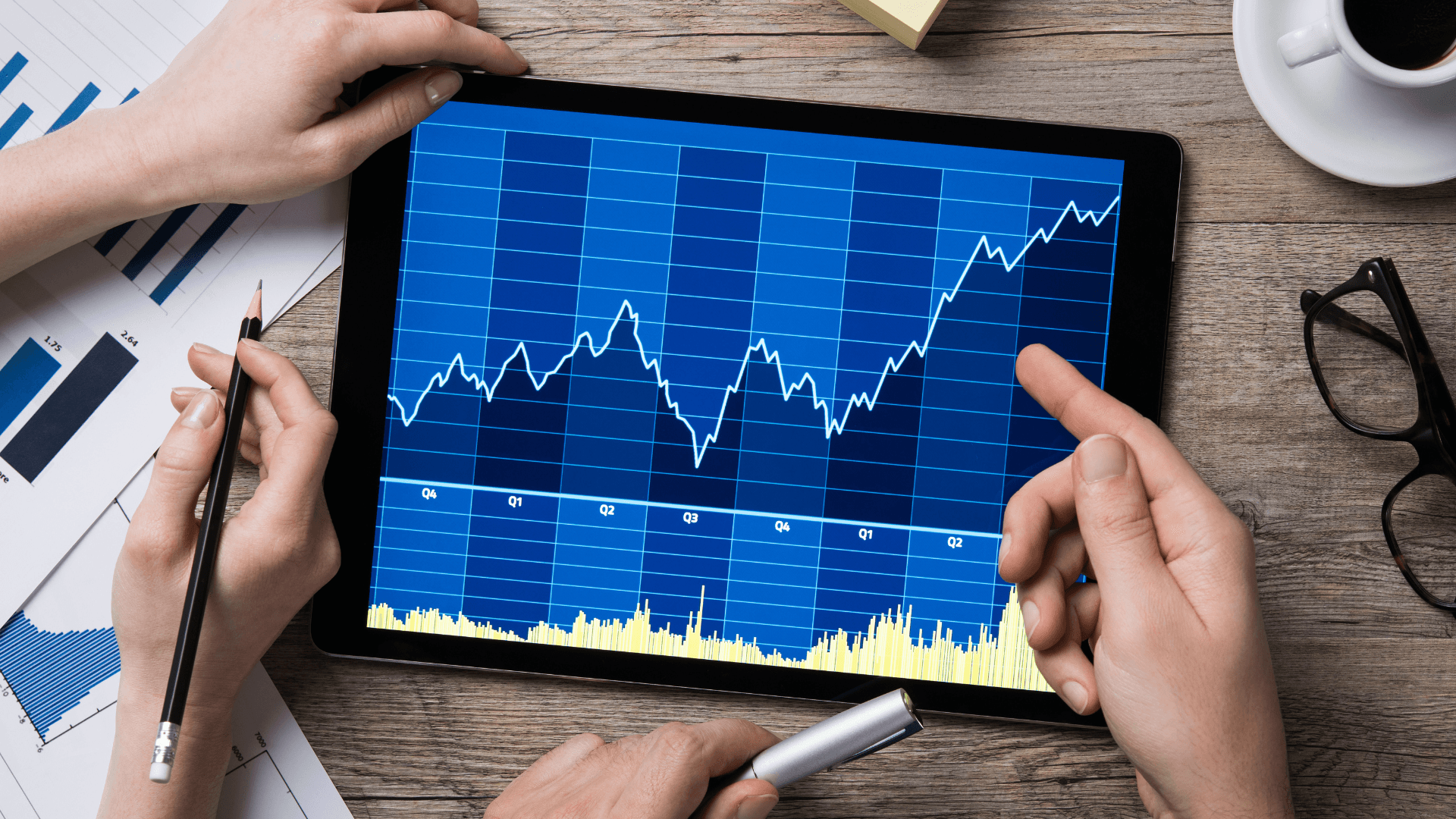
Market abuse risks in 2026 are entering a new and more complex phase as manipulation tactics have become deeply intertwined with technology. What used to be simple insider trading slips or classic pump and dump schemes has now expanded into behavior powered by algorithms, social media influencing, and automated order strategies that can distort markets in seconds.
In short, market abuse risks in 2026 are not just a front-office issue anymore. Anyone who handles data, research notes, digital communication, or price sensitive information is part of the risk surface. A casual message, a small disclosure, or an unplanned personal trade can raise compliance flags. That is why every employee must understand how modern market abuse schemes work spoofing, insider leaks, circular trades, frontrunning, and more.
Why Market Abuse Risks Are Higher in 2026
Markets today operate in a completely different rhythm. Prices react to information almost instantly, and regulators monitor behavior with advanced analytics. At the same time, social media, algorithmic trading, and AI generated content give attackers more tools to influence markets.
A few major shifts define the risk in 2026:
-
Information spreads faster than internal controls can react.
-
Trading systems are heavily automated, making manipulation harder to notice manually.
-
Finfluencers drive real trading behavior, sometimes without proper registration.
-
Remote and hybrid work still weaken information barriers.
-
AI generated content is harder to verify, yet extremely persuasive.
Regulators have responded with stronger surveillance, real-time alerts, and deeper investigations. But compliance technology alone cannot prevent misconduct. People still sit at the core of market integrity.
Pump and Dump: Still the Easiest Way to Manipulate Markets
Pump and dump schemes continue to dominate manipulation patterns because they rely on simple human psychology. They create excitement, urgency, and FOMO. In 2026, these schemes are likely to spread through:
-
WhatsApp and Telegram groups
-
Finfluencer posts
-
Short format videos promising quick returns
-
Fake research notes
-
Anonymous tip channels
-
AI generated “stock insights”
Many employees unknowingly forward such content, thinking it is harmless. Regulators view this differently. Sharing promotional material about a security especially one that later shows unusual volumes can pull an employee into a broader investigation.
Why employees must understand this:
Intent does not matter as much as impact. Even a small forward can become part of a larger manipulation chain.
Spoofing: Now Faster and Driven by Automation
Spoofing is one of the most technical manipulation strategies, and in 2026 it has become harder to detect without surveillance tools. Spoofers place large orders they never intend to execute, only to cancel them and influence price movement.
Modern spoofing looks like:
-
Rapid fire order placements
-
Large visible orders on one side
-
Instant cancellations
-
Trading executed on the opposite side at a better price
These patterns happen at high speed and often involve automated tools. Regulators use machine learning models to identify these behaviors, but organizations still need people who understand red flags.
Why this matters:
One manipulated order book can trigger major penalties, even if the behavior came from ignorance rather than intent.
Insider Trading : Still the Most Frequent Compliance Failure
Most insider trading cases today do not come from deliberate profit making. They come from small slips things people think are harmless. The digital workplace has made leaks easier and more traceable.
Insider leaks today often happen through:
-
Screens visible on video calls
-
Unsecured cloud folders
-
Slack or Teams messages
-
Files sent to personal email
-
Discussions in cafés or cabs
-
Personal devices syncing with work apps
Regulators then recreate the chain of information: who saw what, when, and how it moved.
Why this matters:
A minor leak can place multiple employees under scrutiny and expose the company to reputational damage.
Frontrunning: Old Problem, New Digital Footprints
Frontrunning used to be limited to traders or dealers. But in 2026, many roles have visibility into future trades like portfolio teams, risk teams, analysts, and sometimes tech support with system access.
Even a single personal trade made too close to a company trade can look suspicious. Regulators compare timing, motive, and access paths, and patterns become obvious.
Why employees must stay aware:
Personal trading rules are strict because front-running is one of the easiest violations to detect.
Wash Trades and Matched Trades: Subtle but Serious
Wash trades and matched trades continue to appear in markets, often triggered by coordinated accounts or poor documentation. These trades create artificial volume and send false signals to the market.
Even if employees do not intend wrongdoing, the appearance of circular or coordinated activity can raise red flags.
Awareness is key:
Documented reasoning, clear approvals, and proper communication prevent accidental patterns that mimic manipulation.
Why Prevention of Market Abuse E-Learning Is a Critical Defense in 2026
Traditional training is no longer effective. Long PDFs and once-a-year workshops do not match today’s risk environment.
Modern e-learning works better because it:
- Explains complex patterns through scenarios
-
Reinforces behavior through microlearning
-
Offers quick refreshers throughout the year
-
Updates instantly when new rules or risks emerge
-
Helps employees recognize red flags early
-
Builds confidence in reporting issues
This approach transforms compliance from a yearly activity to an everyday mindset. XLPro’s Prevention of Market Abuse e-learning uses practical scenarios and clear guidance to help organizations spot early red flags and strengthen their defence from a regulatory lens.
Everyday Red Flags Employees Should Watch For
Here are signs that something may be wrong:
-
Sudden volume spikes in low liquidity securities
-
Repeated large orders that disappear quickly
-
Research notes circulating outside authorized channels
-
Requests for internal data that seem unnecessary
-
Personal trading too close to company activity
-
Online groups promoting unknown stocks
-
Content that guarantees profit or zero-risk returns
Spotting these early prevents bigger problems later.
Conclusion
Market abuse in 2026 is more technical, more digital, and more interconnected than ever. Pump and dump schemes now spread through social platforms. Spoofing is faster and driven by automation. Insider leaks are often accidental but damaging. Frontrunning and wash trades still appear through poor judgement or weak controls.
But one thing which remains unchanged is that trained and aware employees remain the strongest defence against market misconduct.
With simple, scenario driven e-learning and regular awareness sessions, companies can reduce risk, build a responsible culture, and stay ahead of regulatory expectations.
continue reading